6月26日的随记
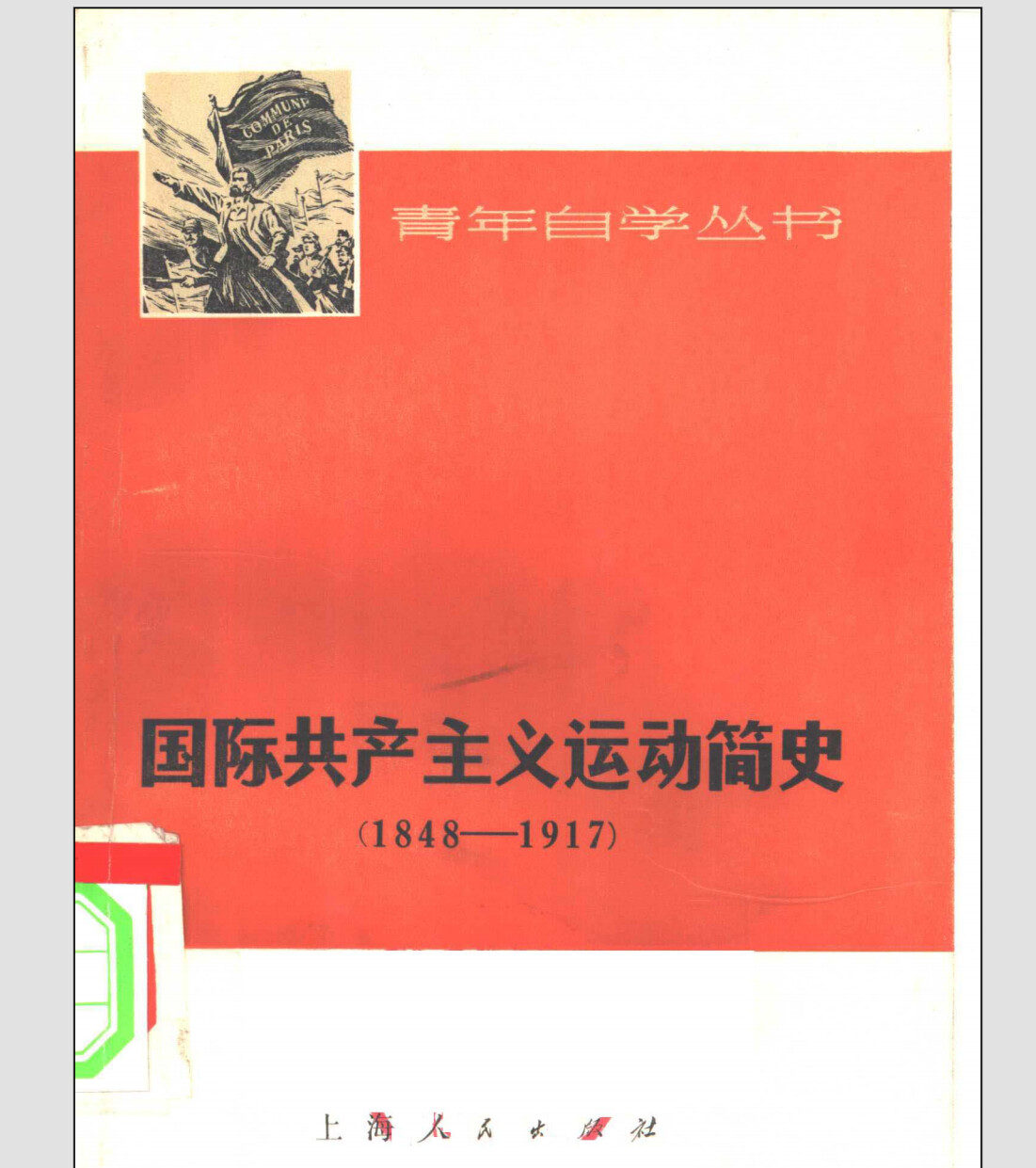
阅读了国际共运简史,看到了马克思和恩格斯1844到1848的活动的地方,说到对于正义者同盟主要领导人之一的魏特林的斗争。魏特林是裁缝工人出身,也曾尖锐地揭露和批判了资本主义社会下工人被残酷剥削压榨的现象,矛头指向资本主义制度;可是他却反对有组织的群众运动和建立一个无产阶级的革命政党,而把希望寄托于什么流氓、乞丐少数流氓无产者的暴动。还讲到了马克思、恩格斯同德国的“真正的社会主义”,实际上是小资产阶级社会主义思想的代表者的斗争,这种所谓的社会主义鼓吹超阶级的爱,谈论什么永恒的正义、博爱与人道,其实就是在宣扬阶级调和,要诱导工人阶级放弃斗争。马恩通过《反克利盖的公告》揭穿了小资产阶级社会主义的反动面目,后面在1846年6月,恩格斯在巴黎与格律恩当面展开激烈的斗争,在辩论中阐述了科学共产主义的基本原则,最后取得了胜利。
国际共产主义运动简史(1848-1917) (上海师范大学政治教育系, 《国际共产主义运动简史》编写组) (Z-Library).pdf (13.8 MB)
8 个赞
6月27日随记
看到说欧洲的1848年革命。记得的内容是法国的二月革命,在法国的资产阶级在封建政府的威胁警告下不敢于原定的2月22日举行政治集会的时候,巴黎的工人英勇地上街罢工示威游行,反动军警进行镇压,随即工人们当晚就开始筑起街垒发动起义,24日就占据了巴黎所有的武器库,还直接高呼着打倒路易.菲利普、共和国万岁的口号攻入王宫,将国王的宝座给直接搬到巴士底狱纪念广场给焚毁了。
法国的资产阶级篡夺了工人革命的胜利果实成立了临时政府,小资产阶级社会主义者路易.勃朗和工人阿尔伯作为工人的代表进入临时政府,但是没有实权。他们成为了所谓的卢森堡委员会的正副主席,搞起所谓的调节劳动纠纷,没有实际权力,也无活动经费,完全是拿来欺骗和迷惑工人的。而且路易勃朗这人也是很反动,主张什么超阶级的联合和兄弟般的团结,让工人要跟资产阶级合作。资产阶级临时政府也是掌握政权后第一时间就要解除工人的武装,改组了国名自卫军,把流氓招进来作为他们镇压群众的打手,还阴险狡诈地分化工人和农民、其他中间等级的人的关系,弄什么国家工场,给农民小生产者多缴赋税,说是因为要供养国家工场的工人。而且之后也是在1848年6月要解散国家工场,十万工人直接失业面临饥饿和死亡的威胁,于是就引发工人们的暴动起义。四万人筑起街垒,跟二十万装备精良的正规军作战,虽然最后还是失败,但却也证实所谓小资产阶级社会主义的破产。
还有德国的两大邦联,奥地利的维也纳和普鲁士的柏林1848年3月13日相继发生群众的起义,均取得胜利,但都是让资产阶级篡夺了革命果实。还记得说1847年6月马恩改组正义者同盟为共产主义者同盟,鲜明提出推翻资产阶级统治,建立社会主义和共产主义的社会,以及1848年2月马恩合写的共产党宣言就是共产主义者同盟的纲领。主要观点就是阶级斗争是阶级社会发展的动力;资本主义必然灭亡社会主义必然胜利,无产阶级肩负着推翻资本主义,实现社会主义和共产主义的伟大历史使命;无产阶级要实现历史使命必须通过无产阶级革命和无产阶级专政;以及共产党的领导是无产阶级实现历史使命的根本保证。还记得有说马恩直接参与到1848年的革命当中,6月1日创办新莱茵报,共产主义者同盟的盟员也分散到德国各地作为革命的骨干力量和组织者。恩格斯还在1849年直接参加了德国西南部普法尔茨的起义,虽然被镇压了
5 个赞
1848年法国革命和德国革命都是被奴才的资产阶级和动摇叛变的小资产阶级给葬送的。资产阶级掌握政权后背叛革命,小资产阶级冒充人民领袖篡夺了革命的领导权,但是在最紧要的关头又动摇叛变。在法国是共和派资产阶级和路易·勃朗,在德国是法兰克福议会里的自由派资产阶级分子和小资产阶级民主派。这说明有产阶级归根到底是软弱、保守的,甚至是反动的,他们不可能将民主革命进行到底,只有无产阶级才能担负这一任务。至于社会主义革命,则更是只有由无产阶级亲自领导才行。
4 个赞
6月28日的随记
后面去看国际共运简史,看到波尔恩就是在共产主义者同盟内部搞什么工人兄弟会、人人皆兄弟的那一套,代表着右倾的路线还鼓吹说要成立工人的生产合作团体和什么信贷机构,不需要暴力革命和激烈的斗争就可以自发地消灭资产阶级实现社会主义和共产主义,然后恩格斯就痛斥这是把《共产党宣言》的观点和行会愿望和习气、路易.勃朗和蒲鲁东的观点的碎屑以及保护关税政策的立场混合起来。还有哥特沙克在内部搞左倾路线,反对1848年德国的革命要无产阶级和民主派的联合,甚至反对和农民的联合,直接就要建立工人的共和国;马克思恩格斯在会议上严肃批评他,他还说什么同盟的章程威胁到他个人的自由,坚持退出同盟,完全就是个人主义无政府主义的行为,而且还是公开搞分裂。
因为1848年革命失败之后,资产阶级依靠篡夺人民革命的果实上台执政或者参与政治和大地主联合起来,资本主义的生产关系在或多或少跨过封建制度的障碍发展起来,1847年的经济危机已经过去,资本主义的经济又开始普遍繁荣起来;在这样的情况下新的革命高潮还不会马上到来,需要共产主义者同盟转变斗争策略,从原来的发动革命改为积聚革命力量。结果在马恩公开提出正确主张之后,共产主义同盟内部的中央委员维利希和沙佩尔就进行反对,他们还直接纠合了一些盟员形成一整个对抗的集团;他们害怕积聚革命力量的艰苦工作,不顾革命暂时低落的现实,企图用冒险主义的办法联合小资产阶级民主派要在德国举行新的起义。1850年中央委员会议上马克思恩格斯对他们的错误进行坚决的斗争,但他们还是不悔改,继续坚持错误,甚至还直接另立中央委员会,公开搞分裂,造成很恶劣的影响,马克思恩格斯被迫将委员会由伦敦迁到科伦。德国和法国的资产阶级政府勾结在一起借机谋划了科伦共产党人的审判案,德国警探甚至直接打入共产主义者同盟在法国的组织,并篡夺了领导权。反动派对于共产主义运动加紧镇压了,需要有一个更成熟的无产阶级的组织来领导暂时受挫的工人运动;于是在1852年的11月17日,根据马克思的提议,共产主义者同盟宣告解散。
后面还看了马克思恩格斯对于1848年革命实践的经验总结,还记的就是大致三点:第一就是无产阶级的战斗口号,是不断革命,无产阶级在实现资产阶级民主革命的任务之后,不应当停歇,要立刻准备推翻资产阶级的统治进行无产阶级的革命,问题不在于改变私有制,而在于消灭私有制;第二就是说无产阶级要彻底地打碎资产阶级的国家机器,建立无产阶级专政,也是吸取了法国二月革命的教训,不应当继续让国家机器从一些资产阶级转到另一些资产阶级的手里,而应当打碎它们,成立工人自己的政府、武装、法庭;第三就是说要建立工农联盟,也是吸取法国六月起义无产阶级被孤立的教训。
4 个赞